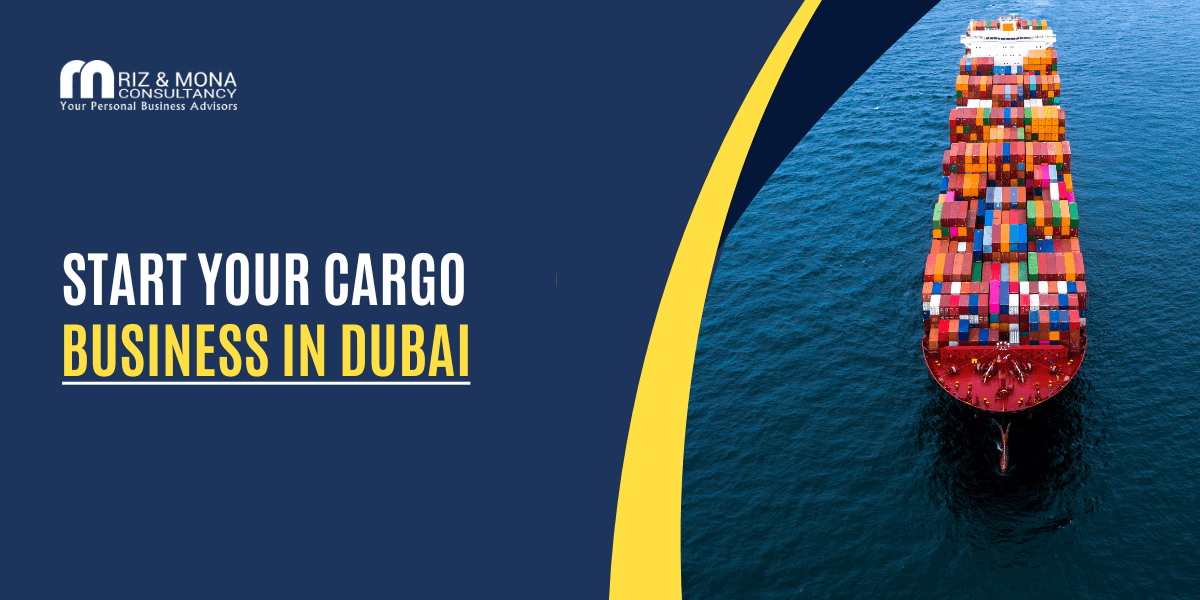
Starting a cargo business in Dubai offers immense potential due to the emirate’s strategic location and world-class infrastructure. Whether you are interested in air cargo, freight forwarding, or warehousing, understanding the business setup process is crucial. Obtaining a business license in Dubai, particularly a logistics license, is a key step in your journey. You can choose to set up your cargo business on the Dubai mainland or in a free zone, each offering unique benefits for your company formation. This guide outlines the essential steps to start your cargo service business, including securing the necessary trade license and setting up your logistics company in Dubai.
Blog
Start a Cargo Business in Dubai: Logistics License Guide
Starting a cargo business in Dubai offers immense potential due to the emirate’s strategic location and world-class infrastructure. Whether you are interested in air cargo, freight forwarding, or warehousing, understanding the business setup process is crucial. Obtaining a business license in Dubai, particularly a logistics license, is a key step in your journey. You can […]
Benefits of Starting a Cargo Business in Dubai, UAE
Starting a cargo business in Dubai is not just about taking advantage of its location; it’s about integrating into a thriving, supportive, and innovative community that’s geared towards success in the logistics sector.

Prime Location
Dubai isn’t just strategically located; it’s perfectly placed at the junction of major global trade routes. This means your cargo business can efficiently reach Europe, Asia, and Africa, making logistics smoother and quicker. The city’s ports and airports are always buzzing with activity, ensuring that your goods are constantly on the move.

Cutting-Edge Infrastructure
Think of Dubai as the Rolls-Royce of logistics infrastructure. With state-of-the-art ports like Jebel Ali and world-class airports, your cargo will have access to some of the best facilities available. This top-tier infrastructure ensures your operations run smoothly and efficiently, saving time and reducing hassle.

Attractive Tax Benefits
Imagine keeping more of your hard-earned money. Dubai offers incredibly low corporate taxes and, in many free zones, zero corporate tax and VAT. This means more profit margins for your business and low taxes for cargo businesses.
Business-Friendly Environment
The Dubai government is keen on making life easier for businesses. Their pro-business policies and streamlined licensing processes mean you spend less time dealing with bureaucracy and more time growing your business.

Extensive Trade Agreements
Dubai’s extensive network of international trade agreements makes global trading a breeze. These agreements simplify procedures, reduce tariffs, and enhance your business’s ability to expand its market presence worldwide.
Vibrant Business Ecosystem
You won’t be alone in Dubai. The city hosts a multitude of logistics companies, creating a robust ecosystem where you can find partners, suppliers, and skilled workers easily. This community can provide invaluable support and networking opportunities.
Technological Advancements
Dubai is at the forefront of logistics technology. From automated warehouses to real-time tracking systems, you can leverage cutting-edge tech to boost efficiency, transparency, and reliability in your operations.
Economic Stability
The UAE’s stable and diversified economy provides a solid foundation for your business. This economic security helps in planning long-term growth strategies without worrying about sudden market upheavals.
Skilled Workforce
Dubai attracts talent from all over the world. This diverse and skilled workforce can bring different perspectives and expertise to your business, enhancing innovation and efficiency in your logistics operations.
Types
Types of Logistics Business Activities
Starting a logistics business in Dubai offers a range of activities you can specialize in. Here are some of the primary types of cargo service business in Dubai:
Freight Brokerage
Freight brokers act as intermediaries between shippers and carriers, arranging the transportation of goods by air, sea, or land. They negotiate rates, book cargo space, and manage transportation logistics.
Cargo Transportation
Involves transporting goods using trucks, ships, or airplanes. Companies manage the logistics of moving goods locally, nationally, or internationally.
Logistics Planning
Logistics planners design and optimize supply chain networks, ensuring cost-effective and timely transportation. They handle demand forecasting, procurement planning, and inventory management.
Leasing and Renting
These companies lease and rent out logistics equipment such as containers and trucks, providing temporary support without the need for businesses to invest in their own equipment.
Freight Forwarding
Freight forwarders arrange the shipment of goods on behalf of shippers, handling transportation, documentation, warehousing, freight charges, and cargo insurance.
Customs Brokerage
Customs brokers help importers and exporters clear goods through customs. They handle documentation, ensure regulatory compliance, and pay duties and taxes on behalf of clients.
Warehousing and Storage
Warehousing companies store goods, manage inventory, and offer services like picking, packing, and shipping. They provide crucial storage solutions for businesses.
Fleet Management
Fleet management involves overseeing a fleet of vehicles used for transporting goods, including vehicle maintenance, compliance, driver management, and route optimization.
Supply Chain Management
Encompasses the entire process from raw material procurement to product delivery. Companies ensure efficiency and cost-effectiveness at each supply chain step.
Steps to Start a Logistics Company in Dubai
Opening a logistics company in Dubai involves several key steps. Here’s a concise guide:
Step 1
Choose a Company Name
Select a unique and descriptive trading name that aligns with your business activities and complies with UAE naming regulations.
Step 2
Decide on Mainland or Free Zone
Choose whether to establish your business on the mainland or in a free zone according to your business needs. Free zones offer benefits like zero corporate tax and full foreign ownership, while mainland setups allow direct business with the UAE market.
Step 3
Apply for a Logistics License
Complete and submit an application form for your logistics license. If you’re setting up on the mainland, apply through the Department of Economic Development (DED). For free zone setups, apply through the respective free zone authority.
Step 4
Create a Business Plan
Develop a comprehensive business plan outlining your company’s objectives, target market, services, financial projections, and strategies for growth. This will guide your operations and help secure funding if needed.
Step 5
Gather and Submit Required Documents
Prepare and submit the necessary documents, which typically include:
• Completed application form
• Passport copies of shareholders and managers
• Emirates ID (if applicable)
• Proof of business address (tenancy contract or Ejari certificate)
• Memorandum of Association (MOA) for mainland setups
• Local sponsor’s passport copy (for mainland businesses)
Step 6
Obtain Approvals and License
Once your application is processed, you will receive your logistics license. This typically takes a few days to a week. Ensure you receive all necessary approvals from relevant authorities, such as Dubai Municipality and the Dubai Customs and Civil Defense, depending on your business activities.
Step 7
Secure Office and Warehouse Space
Lease office and warehouse space that meets regulatory requirements and is strategically located for your logistics operations. Ensure the space is compliant with zoning laws and other regulations.
Step 8
Open a Business Bank Account
Set up a corporate bank account in Dubai to manage your business transactions. Provide the bank with your business license, MOA, passport copies, and other required documents.
Step 9
Apply for Visas
Apply for visas for your expat employees. This involves submitting their passport copies, photos, and other necessary documentation to the relevant authorities.
Step 10
Set Up Accounting and Compliance Systems
Implement accounting and compliance systems to manage finances, tax filings, and regulatory compliance. This ensures smooth operations and adherence to local laws.
Step 11
Launch Your Business
Once all the above steps are completed, you can officially start your business setup in Dubai. Start marketing your services, building partnerships, and managing logistics operations.
Frequently Asked Questions
Cargo agents in Dubai typically earn around AED 1,800 per month.
Categories:
- Blog
- General

For me, business is personal. It’s about creating trust, empowering visionaries, and leaving a legacy of excellence.