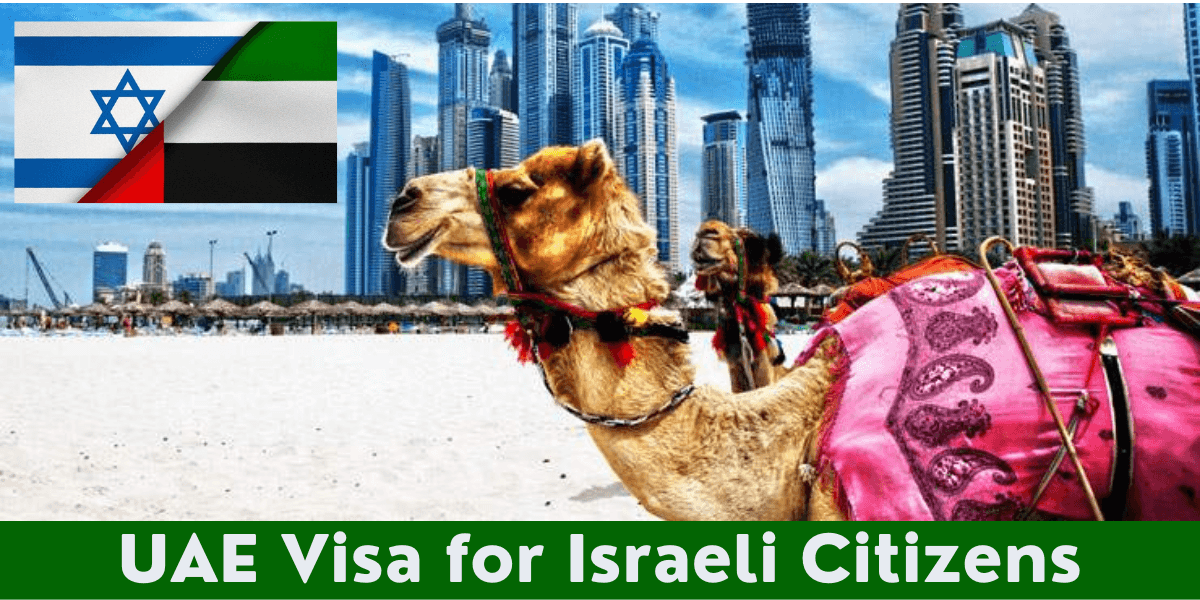
For most people, the United Arab Emirates means just one place: Dubai, the spectacular city of majestic skyscrapers, palm-shaped islands, city-sized malls, indoor ski resorts, and luxurious beaches. But beyond the shimmer, there is a diverse array of six more emirates, each with its own identity and attractiveness.
The mystique of the UAE was like a mirage to the Israelis. Across the Persian Gulf and much of the Arab world, Israeli travelers have traditionally been banned from entry thanks to their passports not being acknowledged. Citizens of most Arab countries, in turn, have been incapable of traveling to Israel to visit the holy sites of Jerusalem and the beaches, restaurants, and nightlife of Tel Aviv. But all of that changed last month when Israel and the United Arab Emirates, which includes Dubai, announced the Abraham Accords. It’s an agreement that made the UAE the third Arab nation to officially recognize Israel and melted decades of cool relations between the two countries.